Shifting consumer expectations, tighter regulation, and advances in technology are changing supply chain operations.
New technologies are transforming decision-making and operational efficiency, while rising expectations for faster delivery and more sustainable practices are forcing businesses to reassess how they source materials, manage production, and structure their distribution networks.
Meanwhile, recent geopolitical tensions and the global pandemic have exposed vulnerabilities in traditional supply chain models and highlighted the need for greater flexibility and resilience.
What was once a largely linear, cost-focused function is now a data-driven, strategically integrated part of business operations – central to how you manage risk and respond to disruption across your supply chain networks.
Let’s explore emerging supply chain management trends, current risks, and how you can adapt your strategies to ensure business continuity.
What is the Global Supply Chain?
A global supply chain is the network of suppliers, manufacturers, logistics providers, and distributors that work together to move goods from raw materials through to end customers, often across multiple countries.
It includes everything from sourcing and production to transportation, warehousing, and distribution (worldwide).
How Does the Global Supply Chain Work?
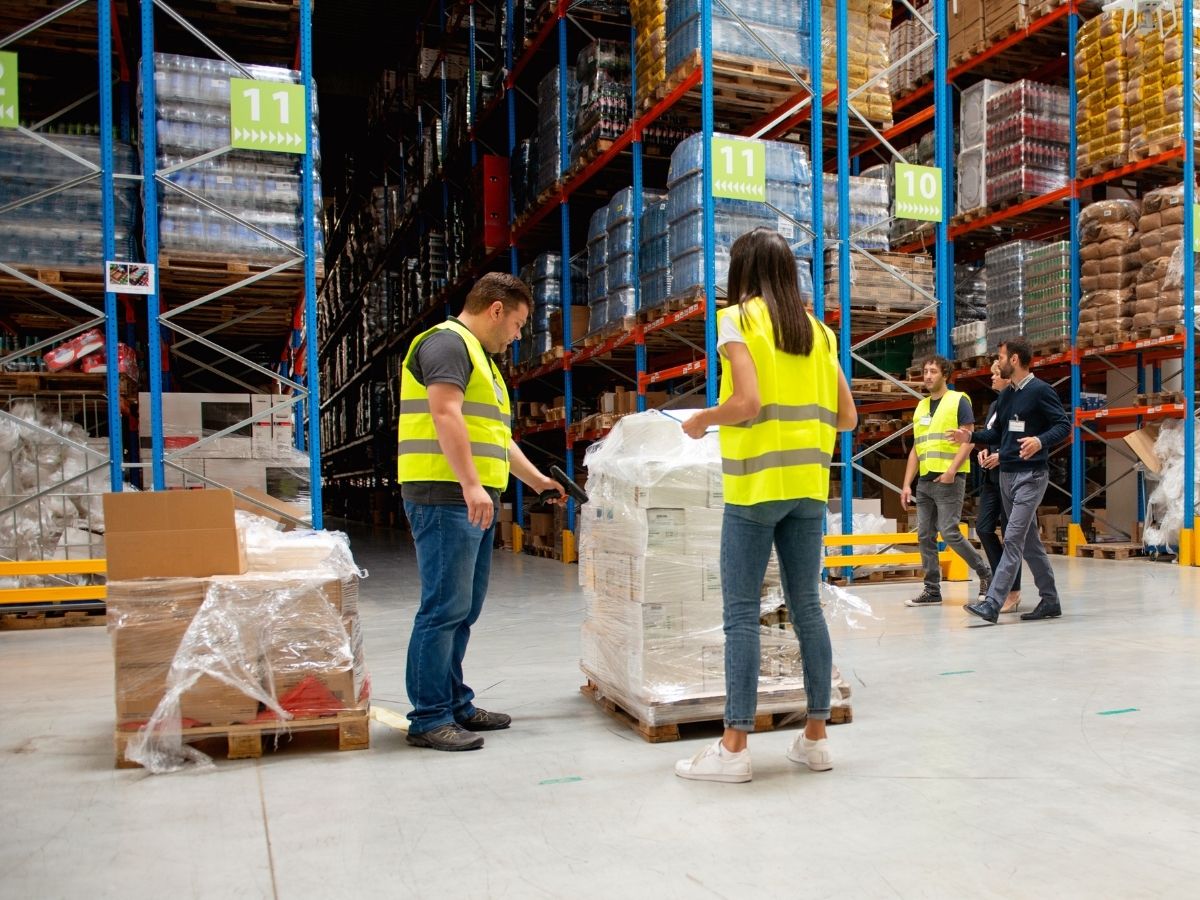
The global supply chain works through a series of interconnected steps: sourcing raw materials, manufacturing components, assembling products, and transporting goods by sea, air, or land to warehouses and retailers.
Technology, finance, and logistics providers support each stage, with data systems tracking inventory and shipments in real-time. When one link in the chain is disrupted, the effects can escalate quickly.
What are the Emerging Trends in Supply Chain Management in 2026?
Current trends in supply chain management reflect a broader shift towards automation, accountability, and diversification.
Technological Advancements
How has technology impacted supply chain management in recent years? The short answer is profoundly.
According to DHL’s Logistics Industry Trends for 2026, 70% of logistics providers will roll out AI-driven solutions by the end of this year, while FedEx predicts that 25% of Australian distribution centre floor space will be automated by 2027.
Warehouse robotics and autonomous mobile robots (AMRs) are becoming standard in distribution centres, driven partly by ongoing labour shortages.
- AI & Autonomous Decision-Making
Global companies are progressively using AI to prevent supply chain disruptions. It’s anticipated that by 2031, 60% of supply chain issues will be resolved without human intervention.
AI systems can identify bottlenecks, reroute shipments, and adjust inventory levels faster than manual processes.
For example, Woolworths uses AI-driven demand sensing to analyse real-time sales, weather, and local events – resulting in faster replenishment decisions, reduced stockouts, and less food waste across its network.
Also, BHP is leveraging drone and sensor-driven stockpile monitoring to capture accurate, real-time data on inventory volumes and site conditions.
- Control Towers
One of the latest supply chain software trends is control towers. Control tower software is a centralised digital platform that provides real-time visibility and decision-making control in logistics and supply chain management.
According to KPMG’s Supply Chain Trends 2026 report, 68% of global supply chain leaders plan to implement control-tower software by the end of this year.
- Digital Twins
Around 35% of Australian manufacturers now run at least one supply chain digital twin.
A digital twin is a virtual replica of your physical supply chain that lets you test scenarios, model disruptions, and optimise workflows before committing resources.
The value here is in planning. You can simulate what happens if a port closes, a supplier fails, or demand spikes unexpectedly. This foresight helps you to reduce risk and allocate working-capital buffers more strategically.
- Blockchain
A relatively new supply chain trend is blockchain – a secure, decentralised system that records transactions in linked blocks that are difficult to alter. It improves traceability, data accuracy, and trust by enabling real-time tracking of goods across the entire supply chain.
Its adoption is growing in Australia, especially for product provenance and export compliance. Meat & Livestock Australia’s electronic National Vendor Declaration (eNVD) 2.0 blockchain pilot is being rolled out to meet strict EU traceability requirements. As global standards strengthen, this level of transparency is becoming essential for market access and reducing supply chain risk.
Sustainability & ESG Compliance Pressure
Regulatory expectations around environmental, social, and governance (ESG) factors are tightening – meaning businesses must ensure compliance across all tiers of the supply chain.
Larger businesses are required under the National Greenhouse and Energy Reporting Scheme (NGER) to track carbon emissions, ensure ethical sourcing and labour practices, and verify compliance throughout their supply networks.
Smaller businesses may not be required to report emissions under current regulations, but they’re increasingly expected to provide data and meet ESG standards, due to pressure from larger firms and consumer demand.
Geopolitical Tensions
Geopolitical tensions are obstructing trade routes and intensifying security and operational risks.
- Middle East Conflict
Instability in the Middle East has caused major disruptions to key shipping routes, with ongoing delays and significant spikes in global oil prices, which translates into higher fuel costs for Australians.
The Red Sea and Strait of Hormuz constraints have pushed the Drewry World Container Index up 14.4% since February, with carriers levying an estimated US$1,500 to US$4,000 per container in war-risk and emergency bunker surcharges.
Carriers are rerouting via the Cape of Good Hope, now a vital global shipping route, which has added cost and time, with typical Australia-to-Europe lead times now 10 to 14 days longer.
- Russia/Ukraine Conflict
Turmoil in the Black Sea grain corridors has restricted the flow of Ukrainian grain to global markets, causing supply shortages and higher food prices. Export restrictions on key commodities, such as energy and fertilisers, have further increased costs.
Australian businesses (particularly in agriculture, construction, and manufacturing) face rising input expenses, while higher fuel and freight costs have driven up transport and logistics expenses – contributing to inflation and longer lead times.
While Australia has benefited from higher commodity prices in some sectors, overall, the conflict has heightened cost pressures and supply chain volatility.
- China
China remains a central influence on Australia’s supply chains, reflecting both dependence and disruption.
Many Australian industries rely heavily on China for manufactured goods, components, and the processing of critical minerals (such as lithium for battery production), while exporting raw materials such as iron ore for steel making.
This reliance exposes businesses to sudden changes in policy, pricing, and global demand. In the past year, export controls have constrained supply and increased costs across sectors such as agriculture and manufacturing.
Meanwhile, China’s economic slowdown from 2020 onwards has led to excess production, with cheaper goods entering Australia and placing pressure on local manufacturers. While this can reduce costs for businesses and consumers in the short-term, it weakens domestic production capability over time.
That said, China recorded GDP growth of around 5% in 2025, with similar year-on-year growth recorded in Q1 of 2026. While this reflects a slower and more uneven pace than in previous decades, it suggests the economy is stabilising and potentially entering a new phase of growth. With China also making strategic economic and policy moves, this remains an area to watch closely. Demand-side volatility is also growing. Fluctuations in China’s construction and infrastructure activity directly affect Australia’s mining and export sectors (iron ore and lithium in particular) – creating uncertainty in logistics, pricing, and long-term planning.
Friend-Shoring & Diversification
Many Australian businesses are starting to diversify suppliers and adopt ‘China Plus One’ strategies, sourcing from countries such as Vietnam and India in addition to China. This trend is often referred to as ‘friend-shoring.’
There’s also a push to develop local capabilities in critical minerals and manufacturing, but these changes take time.
Global Supply Chain Impact on Australian Businesses in 2026
Australian businesses are feeling the impact of globalisation on supply chain management across several fronts.
Increased Operating Costs & Margin Pressure
Businesses are facing higher costs throughout every stage of the supply chain.
The rise of fuel, freight, raw material, and warehousing costs – along with labour shortages – puts pressure on margins and working capital. For import-heavy industries, even minor setbacks can quickly escalate into significant cost increases.
This has led to more frequent price adjustments, tighter budgeting, and a stronger focus on cost control across procurement and operations. Inventory levels have also increased, with small to mid-sized importers now holding stock for 1.5 to 2 times longer than pre-COVID.
Greater Complexity in Supply Chain Management
Supply chains have become more complex as businesses move away from single-source models. Managing multiple suppliers across different regions requires greater coordination and oversight, adding operational pressure – particularly for businesses without large procurement teams.
There’s also an increased need for better planning and risk management. Businesses must now account for a wider range of variables – making supply chain management more strategic and time-consuming.
Stronger Focus on Risk, Compliance & Accountability
Australian businesses are under mounting pressure to ensure their supply chains are compliant, ethical, and transparent.
In response to stricter regulations and consumer expectations, businesses are investing more time and resources into auditing suppliers, tracking product origins, and improving reporting processes. This shift isn’t just about compliance; it’s also about protecting brand reputation and building long-term trust with customers and partners.
Global Supply Chain Risks & How to Mitigate Them
With Australian supply chain disruptions on the rise, understanding global supply chain risks and how to mitigate them is a priority.
Here are the main risk areas and some practical approaches businesses are taking to manage them.
Geopolitical & Shipping Route Volatility
Businesses impacted are mitigating risk by securing multi-port routing contracts, diversifying supplier bases (i.e. the ‘China Plus One’ approach), and holding safety stock.
Financing stock through inventory credit lines could help you manage cash flow without tying up capital unnecessarily.
Energy & Fuel Price Shocks
Firms that haven’t locked in forward-exchange contracts or factored fuel surcharges into customer pricing models are feeling the pinch.
Where possible, businesses are building fuel surcharges into customer pricing models, introducing electric vehicle fleets for local distribution, and exploring green diesel (although this is more prevalent in Europe and the USA).
Trade-finance solutions can also help smooth the impact of diesel price spikes by providing flexible funding lines.
Compliance Risk
Failure to meet regulatory requirements may result in fines, reputational damage, and supply chain disruption.
Businesses are investing in supplier due diligence platforms – digital systems that help assess, monitor, and manage supplier compliance (and risk) across the supply chain. These systems centralise supplier data and typically record:
- Legal and regulatory compliance (e.g. labour, safety, environmental rules)
- Financial stability
- Ethical risks (such as forced labour or corruption)
- Sanctions or restricted-party screening
- Certifications and audit records
Regulatory requirements will vary depending on the size, nature and location of your business. However, these are amongst the most widely applicable in Australia:
- Import and export compliance under the Customs Act 1901 and requirements enforced by the Australian Border Force
- Product safety and consumer protection under the Australian Consumer Law
- Workplace health, safety, and employment obligations under the Fair Work Act 2009
- Data handling and privacy requirements under the Privacy Act 1988
Larger businesses may also be subject to additional obligations, such as mandatory modern slavery reporting under the Modern Slavery Act 2018, as well as more extensive environmental, tax, and industry-specific regulatory requirements depending on their operations.
Cyber Risk
Ransomware attacks on logistics providers are increasing, so it’s important to have a solid understanding of cyber regulations and risks.
Creating a solid disaster recovery plan and investing in cyber insurance can help to protect your business. You may also wish to consider segmenting your supply chain systems and adding cyber-breach clauses to supplier contracts.
Supplier Solvency
Supplier credit scores can be monitored, while receivables can be protected through trade-credit insurance.
Maintaining access to contingent liquidity (whether through bank facilities or alternative lenders) can provide you with options if a key supplier fails unexpectedly.
What This Means for Your Business Today
The latest trends in supply chain management impact how you plan, fund, and grow your business.
While geopolitical instability, rising fuel costs, delays, and labour shortages currently pose significant challenges, improved technology is helping to boost efficiency and resilience across supply chains.
Businesses that manage supply chain disruptions most effectively are those that build flexibility into their supplier relationships, invest in AI systems, and diversify their sourcing and funding strategies.
At Ledge Finance, we work with businesses to structure funding that supports these kinds of changes. Whether it’s a line of credit loan to cover short-term cash shortages, equipment finance for automation, or debt advisory to restructure existing facilities, the goal is the same: to give you the flexibility to adapt without putting unnecessary strain on cash flow.
If the current supply chain trends are affecting your funding needs, get in touch today. We’ll work with you to secure a finance solution which best suits your circumstances.